LL154 vs LL97: Why Electrification Today Determines Your Future Penalties

Most developers look at Local Law 154 and Local Law 97 as separate laws. That’s a mistake.
They are deeply connected — and if you don’t plan for both together, you will pay for it later.
Understanding the Difference
Local Law 154
Controls how your building is built:
- Requires electrification
- Eliminates fossil fuels
Local Law 97
Controls how your building performs:
- Sets emissions limits
- Imposes penalties for exceeding them
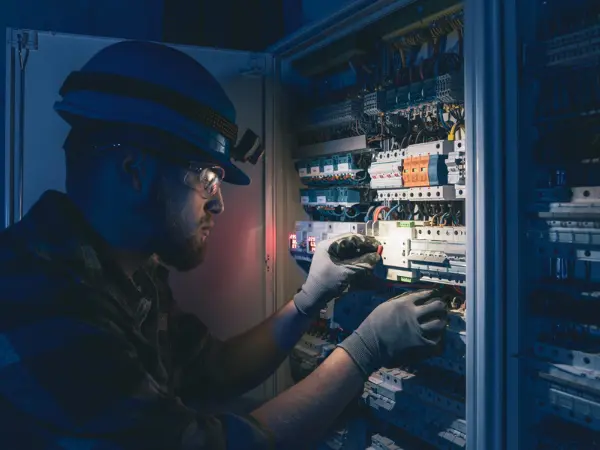
The Critical Overlap
Electrification reduces emissions — but only if done correctly.
A poorly designed all-electric building can still:
- Consume excessive electricity
- Generate high emissions
- Exceed LL97 limits
The Hidden Risk
Many developers assume: “If it’s all-electric, we’re safe from LL97.” That’s not true.
Electric buildings still have:
- Emissions factors
- Energy usage thresholds
- Performance requirements
Where Projects Go Wrong
1. Oversized Systems
Without load reduction, systems are too large and inefficient.
2. Poor Controls
Buildings run inefficiently due to lack of optimization.
3. Ignoring Peak Loads
Electric demand spikes increase operational cost.
The Right Approach
To align LL154 with LL97:
- Step 1: Reduce Loads. Lower energy demand before selecting systems.
- Step 2: Optimize Systems. Select efficient heat pumps and controls.
- Step 3: Monitor Performance. Track energy use in real time.
Financial Impact
This is not theoretical. Bad design leads to:
- Higher electricity bills
- LL97 penalties
- Retrofit costs later
Good design leads to:
- Lower operating cost
- Compliance certainty
- Asset value protection
"LL154 is your first opportunity to control LL97 exposure. If you ignore that connection, you’re building future penalties into your project."